
Participant Article
A personal story from Marco on how NDIS employment support can build learning, confidence and a pathway into work.
Progress looks like showing up, practising, learning how to use tools and building confidence one step at a time. Work can bring structure to the week, new relationships, a sense of contribution and greater independence. For people with disability, the right support can help turn the idea of a job into a realistic plan.
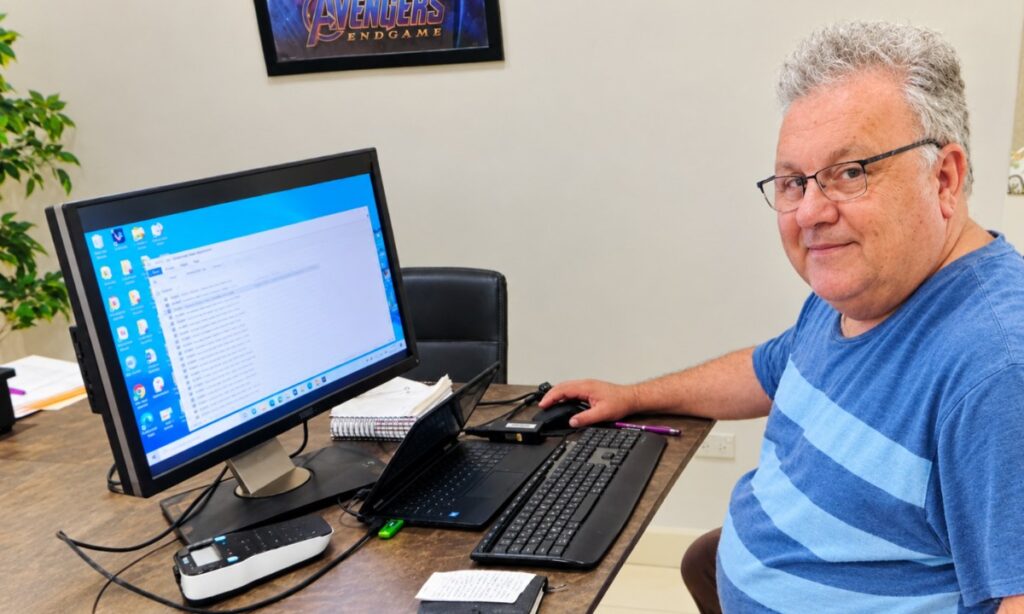
Progress should be personal. A good support experience starts by listening to what I want to learn and what kind of future I want to work towards. Everyday tools like a keyboard, a mouse and a notebook can represent digital learning, organisation, following information and practising tasks. These are skills that are useful in many workplaces.
I want my support to help me build on my strengths, not simply do things for me. That can mean setting small goals, practising a task more than once, asking questions when I need help, and gradually taking more responsibility. Dream Maker can be part of that journey where the activities are agreed with me and fit my NDIS plan. The exact supports available depend on my goals, disability-related needs, plan and service agreement.
The goal is not just to be supported today. It is to keep learning so I can do more for myself tomorrow.
The NDIS may fund disability-related employment supports when they meet the NDIS funding rules and are included in, or approved for, a participant’s plan. Start by making employment a clear goal and explaining what barriers related to disability make extra support necessary. A support coordinator, my NDIS contact or local area coordinator may help with planning the next steps.
| Stage | What I can work on | How support may help |
|---|---|---|
| 1. Discover | Interests, strengths, preferred tasks and work environments. | Explore job ideas and identify what matters to me. |
| 2. Build skills | Communication, teamwork, following instructions and confidence. | Practise work routines, tasks and workplace expectations. |
| 3. Get job-ready | A CV, applications, interviews and understanding job requirements. | Employment-focused coaching and preparation for opportunities. |
| 4. Try work | Work experience or suitable work tasks where available. | Learn in a real setting and see what adjustments help. |
| 5. Start and settle in | Learning duties, routines, travel and asking for help. | On-the-job coaching or task support when eligible and funded. |
| 6. Keep progressing | Reliability, confidence, new responsibilities and future goals. | Review progress, address barriers and plan the next step. |
With NDIS employment support, supports can include work-skills development, employment assistance, help learning tasks, job coaching and some ongoing disability-related support at work, depending on individual circumstances. Employers also have responsibilities: reasonable adjustments may be needed so a worker with disability can participate fairly. NDIS funding does not automatically cover every job-search cost, wage or general workplace expense.
Progress towards employment with NDIS employment support can involve organising a day, managing time, communicating needs, travelling safely, using technology, participating with others and making choices. These skills can make the transition into work more manageable. Supports must relate to disability support needs and meet NDIS funding criteria.
Progress with NDIS employment support is not only measured by whether a job offer arrives. It can also be seen in skills gained, choices made, confidence developed and barriers reduced. A participant-led plan should reflect what matters to the person and be reviewed as needs and goals change.
I help choose my goals, activities, supports and next steps. I can say what works for me and what I want to change.
I practise asking questions, explaining what I need, listening to feedback and communicating respectfully.
I can practise computer basics, email, online forms, calendars, document handling or other tasks linked to my interests.
I build routines around arriving on time, following instructions, finishing tasks, checking my work and seeking help.
I practise meeting people, working alongside others, handling feedback and learning from mistakes.
Where relevant, I can learn a route, plan travel time, recognise safety issues and build confidence getting to work.
I learn to describe reasonable adjustments, understand boundaries, raise concerns and know who to approach for help.
I consider routines and the support I need to participate sustainably. Work goals should respond to my needs.
I keep a simple record of goals, practice, feedback, new skills and next steps to discuss with my team.
Each week, I could record the goal I worked on, what I practised, what I can now do with less help, what was difficult, which support or adjustment helped, and my next small step.
To make support meaningful, I want conversations with Dream Maker Community Services to connect everyday learning with my goals and my NDIS employment support. Here is a simple guide to how those conversations can go.
Can the NDIS guarantee me a job?
No. The NDIS employment support may fund eligible disability-related supports to help build skills, find work or keep a job, but it cannot guarantee an employer will offer a position.
Do I have to be ready for work before I ask for support?
No. Employment goals can include exploring options and building basic skills before applying. Support depends on your circumstances and plan.
Can support include learning computer skills?
It may, when connected to an employment goal and consistent with NDIS rules. Ask your NDIS contact or provider about the right funding pathway.
Can I get help while I am at work?
Potentially. Depending on needs and plan, support may include on-the-job coaching or help learning tasks. Employers remain responsible for reasonable adjustments.
Can a support worker do the job for me?
The aim should be to build capacity and support participation, not take away your role. Agree how prompting and coaching should work.
What if I do not know what job suits me?
Start with interests, strengths, preferred environments and tasks you would like to try. Employment support may help explore options.
What should I discuss at my NDIS planning meeting?
Explain your work goal, disability-related barriers, the tasks you need help with and any useful reports or work or volunteering experience.
Is the NDIS the same as an employment service?
No. The NDIS funds eligible disability-related supports. Other government employment services may offer job-search or employer support for eligible people.
What if my plan does not include employment support?
Talk with your NDIS contact, support coordinator or local area coordinator about your goal and the evidence of support you need.
Where can I check the current rules?
Use the official NDIS website to check the current rules on NDIS employment support, and discuss your circumstances with your NDIS contact. Rules and guidance can change.
People with disability deserve the chance to learn, contribute and work towards a future they choose. The path may involve practice, patience, support and adjustments. Every skill I develop can help me understand my strengths and make informed choices about what comes next. With the right NDIS employment support, that next step feels achievable.
I do not need every answer today. I need a goal that matters to me, the right support and a next step I can begin.
Ready to talk about NDIS employment support and your own goals? You can contact the Dream Maker team, make a referral, or read more in our NDIS information hub.
This blog is general information, not a decision about individual NDIS eligibility or funding. Supports must meet current NDIS rules and the participant’s circumstances.
Marco is a former participant of Dream Maker Community Services who now works with the Dream Maker marketing team. He shares his own story to show what learning, the right support and a goal that matters can make possible.
Dream Maker Community Services is an NDIS-registered provider operating across New South Wales and Victoria. We specialise in Supported Independent Living, SDA accommodation, community participation, daily personal activities, life skill development, household support, and assisted transport.
If any of this sounds like what you or someone you love needs, get in touch with our team today. No pressure, no jargon, just a real conversation about how we can help.