
NDIS changes 2026 can feel like a lot. If they have you feeling worried, frustrated or just plain worn out, you're not alone. A lot of participants, families and carers are in the same boat right now.
Your plan isn't just a budget. It helps you get out of bed, see people, learn new things and live the way you want to. So when the rules around it change, of course it feels personal.
This guide walks you through the NDIS changes 2026 and what has already changed, what's coming next, how it might affect your mental health, and what you can do about it. Take it one section at a time. You don't have to work it all out today.
The NDIS Amendment (Securing the NDIS for Future Generations) Act 2026 received Royal Assent on 20 August 2026. The law has passed, but the changes start on different dates, and some of the detail is still being worked out. Here's where things are up to.
| When | What happens | What it means for you |
|---|---|---|
| 27 August 2026 (started) | Plan reassessment requests tighten | Only you, your nominee or your child's representative can ask for an unscheduled reassessment. You'll need to explain what's changed and include evidence. Plan variations are still available for urgent, minor or short-term changes. |
| 1 October 2026 (started) | Some support budgets reset | Social and community participation budgets drop by 50%, and improved daily living skills budgets by 10%. This is phased in as plans are renewed or reassessed over 12 months, and critical supports are excluded. |
| 1 December 2026 | 90-day claims window | Claims need to be made within 90 days of the support being delivered. |
| 1 February 2027 | Plan renewal changes | Unspent funds no longer roll over to your next plan, and "reasonable and necessary" gets tighter. |
| 1 April 2027 | New framework planning | A new way of planning starts rolling out gradually, finishing by 31 December 2030. |
| 1 January 2028 | New eligibility rules | New applicants are assessed on functional capacity. Existing participants are reassessed over three years. |
Two things worth knowing. First, the 50% cut applies to the budget allocation, not automatically to what you actually spend or how many activities you do. How it affects you depends on your plan and the supports you use.
Second, current access arrangements stay in place until 1 January 2028. Don't assume a future eligibility change already applies to you. Check your own situation with the NDIA or a qualified adviser.
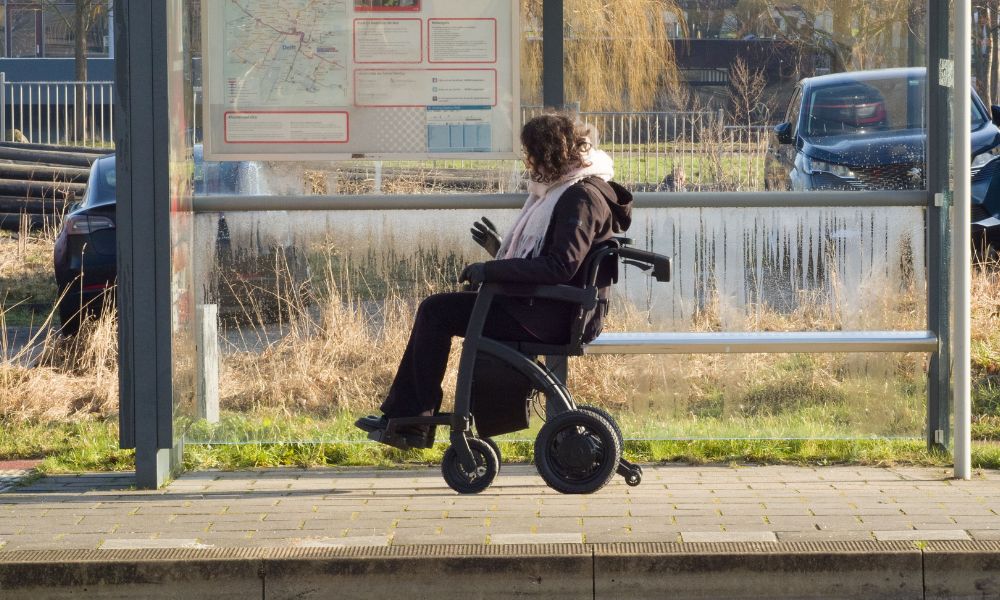
Not everyone feels the same way about this, and that's okay. But if any of these sound familiar, you're in good company.
My advice? Slow the news down and take it one thing at a time. You don't need to solve every NDIS question in a single day.
If worry about the NDIS changes 2026 is affecting your sleep, mood, relationships or daily routine, talk to your GP, a treating professional or someone you trust. Families and carers need breaks and someone to talk to as well, so don't leave yourself off the list. If you're in immediate danger, call 000.
| Service | Phone | Good for |
|---|---|---|
| Lifeline | 13 11 14 | 24/7 crisis support |
| Beyond Blue | 1300 22 4636 | 24/7 phone counselling |
| 13YARN | 13 92 76 | 24/7 culturally safe support for Aboriginal and Torres Strait Islander people |
| Disability Gateway | 1800 643 787 | Information and referrals, Monday to Friday, 8am to 8pm |
If you're supporting someone who's struggling, stay with them if it's safe, listen without judging, and help them connect with the right support.
They might, depending on your plan, the supports you use and when your plan is renewed or reassessed. You keep using your current plan until then, so check your own plan notice and budget.
Not necessarily. The 50% applies to the budget allocation, not automatically to what you spend or how many activities you do. Your outcome depends on your plan and the supports available to you.
No. The new access rules begin on 1 January 2028, and until then current arrangements continue. The detailed assessment process is still being developed. Not sure where you stand today? Try our NDIS eligibility quiz.
Keep your current plan and reports together, write down your daily support needs and what happens when a support isn't available, and ask your provider or support coordinator to help you organise it all.
Yes. Uncertainty about supports, forms and future eligibility is stressful. Talking it through with someone you trust and checking official information can help.
You don't need to have it all figured out today. Take the NDIS changes 2026 one step at a time, ask questions, and keep your own voice at the centre of every decision about your supports.
If you'd like to talk through how your support arrangements might work day to day, get in touch with Dream Maker Community Services. For official decisions about eligibility, funding or plan reassessment, always confirm with the NDIA.
Marco is a member of the Dream Maker Community Services marketing team and former participant and Dream Maker Community Services. He shares clear, practical information to help people with disability, families and carers understand their options. This article is general information only and isn't medical, legal or financial advice.
This International Day of Care and Support, we’re asking what good care really looks like, and why human connection matters in disability support.
Imagine waking up in the morning and knowing that someone will be there to help you prepare for the day, get to an appointment, learn a new skill or take part in an activity you enjoy. For many Australians living with disability, this kind of support can make a meaningful difference. It can provide practical assistance, but it can also create opportunities for confidence, friendship, independence and a stronger connection with the community.
Yet there is an important question we should ask ourselves: are we simply providing care, or are we helping people build the lives they want to live?
The International Day of Care and Support is observed on 29 October each year. The United Nations established the observance to recognise the importance of care and support and encourage robust, inclusive and sustainable systems that respect the human rights of people who provide and receive care.
In Australia, this conversation is particularly important for people with disability, their families, support workers and organisations delivering services through the National Disability Insurance Scheme (NDIS). Good support is about much more than ticking boxes on a service checklist. It is about understanding the person behind the plan.
The NDIS helps eligible Australians with permanent and significant disability access reasonable and necessary supports related to their disability. But understanding how the scheme works is only one part of the picture. We must also consider how those supports are delivered in everyday life.
A participant might have funding for assistance with daily living, community participation or developing practical skills. Those supports can be valuable, but the real difference often comes from how well they reflect the participant’s individual goals, preferences and circumstances.
The NDIS Practice Standards emphasise person-centred support, dignity, informed choice, control and independence. These principles help describe what participants should expect from quality service provision.
Think about someone who wants to learn to catch public transport independently. One approach might be to arrange transport every time they need to go somewhere. That may solve an immediate problem, but it might not help the person develop the skills and confidence to travel independently in the future.
Another approach could involve working alongside the participant to learn the route, recognise landmarks, understand timetables and practise what to do if a service is delayed. Where it suits the participant’s goals and abilities, this can help build skills that extend beyond the support session.
That is the difference between simply doing something for a person and supporting them to develop greater control over their own life. Independence means different things to different people. Some participants will need ongoing assistance, and that assistance should never be treated as a failure to become independent. The goal is support that works for the individual.
Imagine two NDIS participants who both receive support to participate in the community. One person may enjoy busy shopping centres, group activities and meeting new people. Another may prefer quieter outings, familiar environments and one-to-one conversations. Neither preference is wrong. Both people deserve support that respects their choices.
Getting to know a participant matters. A support worker needs to understand how the person communicates, what makes them comfortable, what they want to achieve and what assistance they prefer. Communication may involve spoken conversations, visual aids, assistive communication devices, extra processing time or help from someone the person trusts.
Good support means adapting to the person rather than expecting the person to adapt to a rigid service. It also means respecting cultural background, personal boundaries, privacy and the right to make informed decisions. The NDIS Code of Conduct sets expectations around dignity, safety, privacy, honesty and competent service delivery.
A participant is not a diagnosis, a funding category or a list of support needs. They are a person with their own identity, relationships, interests and ambitions.
When we talk about care, it is easy to focus on the participant and the service being delivered. But other people’s contributions deserve recognition, too.
Family members and unpaid carers may provide daily assistance, coordinate appointments, advocate for a loved one and offer emotional reassurance. Their contribution can be substantial, and they may need support and opportunities to look after their own wellbeing.
Professional disability support workers also play an important role. Their work can involve personal care, household tasks, transport, community access, skill development and helping participants work towards their goals.
Much of this work happens in ordinary moments that may never appear in a report or photograph: patiently practising a new recipe, encouraging someone to express a preference, or supporting them to attend a social activity for the first time.
These moments matter because care is often built through consistency, trust and respect. Good intentions alone are not enough. Quality support also requires appropriate skills, safe practices, clear communication, professional boundaries and accountability. Recognising care workers should mean more than thanking them. It should also mean valuing their work and supporting the conditions needed to deliver safe, reliable and respectful services.
Consider a fictional participant named Alex who wants to become more confident in the kitchen. Alex’s goal is to prepare a simple lunch independently. A support worker could approach this goal in four steps:
The outcome is not measured only by whether lunch was prepared. It can also be measured by whether Alex had a meaningful say, learned something useful and felt respected throughout the process.
Progress may be gradual. Some tasks may always require assistance, and plans should adapt when circumstances change. The important thing is to work towards the participant’s goals without making assumptions about what they can or cannot achieve. This example is illustrative, not a claim about a particular participant or provider.
International Day of Care and Support is a useful opportunity for providers to look beyond their usual routines and ask whether their services are making a genuine difference. A few questions to start with:
These questions can lead to meaningful conversations with participants, families and staff. A provider might discover that a participant wants more opportunities to make decisions about outings. Another might want clearer information about changes to their support worker or schedule. Someone else may want more time to practise a skill rather than having a task completed for them. Listening to these views can help turn broad commitments to person-centred care into practical action.
Supporting independence does not mean ignoring risk. Equally, protecting someone from every possible difficulty should not automatically mean making decisions on their behalf. The challenge is to understand the individual, provide appropriate information and safeguards, and respect their right to participate in decisions about their own life.
If a participant wants to try a new community activity, a useful conversation might explore transport arrangements, accessibility, personal preferences and any support they need to feel safe. The aim is to find a suitable way to support participation, rather than dismissing the idea without discussion.
Participants have the right to be treated with dignity and respect, receive safe and competent support, and raise concerns about their services. The NDIS Quality and Safeguards Commission provides information about participant rights and how to report concerns about the quality or safety of NDIS supports.
If a participant is unhappy with their support, they can consider speaking to their provider if comfortable, using an advocate or trusted person where appropriate, or contacting the NDIS Commission. Concerns about NDIS funding decisions generally go to the NDIA. Good care includes making sure people know they can speak up and that their concerns will be taken seriously.
You don’t need an expensive event or a complicated campaign to mark International Day of Care and Support on 29 October. A small, thoughtful activity is enough to recognise the people who make care and support possible. Here are some ideas:
Accessibility should be considered from the beginning. This might include a wheelchair-accessible venue, plain-language information, quiet spaces, communication supports, accessible transport and flexible ways for people to participate.
Photographs, personal stories and videos should only be shared with appropriate permission. Participation should be voluntary, and nobody should feel pressured to disclose personal information to support an awareness campaign. The purpose is to recognise people, not turn their lives into promotional material.
For me, the International Day of Care and Support is an opportunity to reflect on the importance of understanding people as individuals.
As someone who values learning, personal development and participation in the community, I believe support should create opportunities for people to discover their abilities, build confidence and work towards goals that are meaningful to them.
There is a difference between being present in someone’s life and genuinely supporting them. Genuine support involves listening, recognising individual strengths, allowing people to express their opinions and respecting their right to make choices. It also involves recognising that progress looks different for everyone.
Sometimes progress means learning a new skill. Sometimes it means feeling comfortable enough to try something unfamiliar. And sometimes it means having the right assistance available to participate in an activity that other people might take for granted.
We should never assume that we know what is best for someone simply because we provide their support. We need to ask, listen and learn. This is a message disability service providers, including organisations such as Dream Maker Community Services, can reflect on when considering how to support participants in everyday life. For me, that is what makes the human side of care so important.
It is an international observance held on 29 October each year to recognise the importance of care and support and encourage stronger, more inclusive care systems. Read more on the United Nations website.
It provides an opportunity to discuss how disability supports can promote dignity, choice, independence, safety and community participation. It also recognises support workers, families and carers.
It means listening to the individual, respecting their preferences and rights, and tailoring assistance to their needs and goals. It involves the participant in decisions about their own support.
They might choose to attend a community event, share their experiences, take part in a favourite activity or thank someone who has supported them. Participation is voluntary.
The NDIS Quality and Safeguards Commission explains participant rights and provider responsibilities and provides guidance on how to raise concerns. The NDIS also has information on participant rights and responsibilities when working with providers.
As we approach the International Day of Care and Support on 29 October, let us recognise that good care is not defined solely by the number of hours delivered, the tasks completed or the services listed in a plan. It is also reflected in whether people feel heard, whether their choices are respected, whether they can build relationships and whether they have opportunities to participate in the world around them.
For the Australian disability sector, the NDIS provides an important framework for supporting eligible participants. But the quality of that support is experienced in everyday interactions: in the way people communicate, make decisions, respond to concerns and help others work towards their goals.
Families deserve recognition. Support workers deserve respect. Providers must uphold their responsibilities. And people with disability deserve to be recognised as individuals with their own ambitions, preferences and rights.
On this day, perhaps the most important question we can ask is not simply, “How much care are we providing?” It is this: are we helping people live the lives they want, with the dignity, choice and support they deserve? That is a question worth asking on 29 October, and every day of the year.
This article is general information and awareness content, not individual NDIS funding, legal or clinical advice. NDIS plans and support rules vary by individual circumstances. For current requirements, consult the relevant official agency, such as the NDIS Quality and Safeguards Commission. When sharing participant stories or images, obtain informed permission, respect privacy and make participation voluntary.
Marco is a former participant of Dream Maker Community Services who now works with the Dream Maker marketing team. With a background in Electronics and Communications Engineering, he is interested in how learning, technology and the right support can open doors for people in the disability sector. Outside work, Marco enjoys current affairs, gardening, nature walks, healthy eating and catching up with people.