
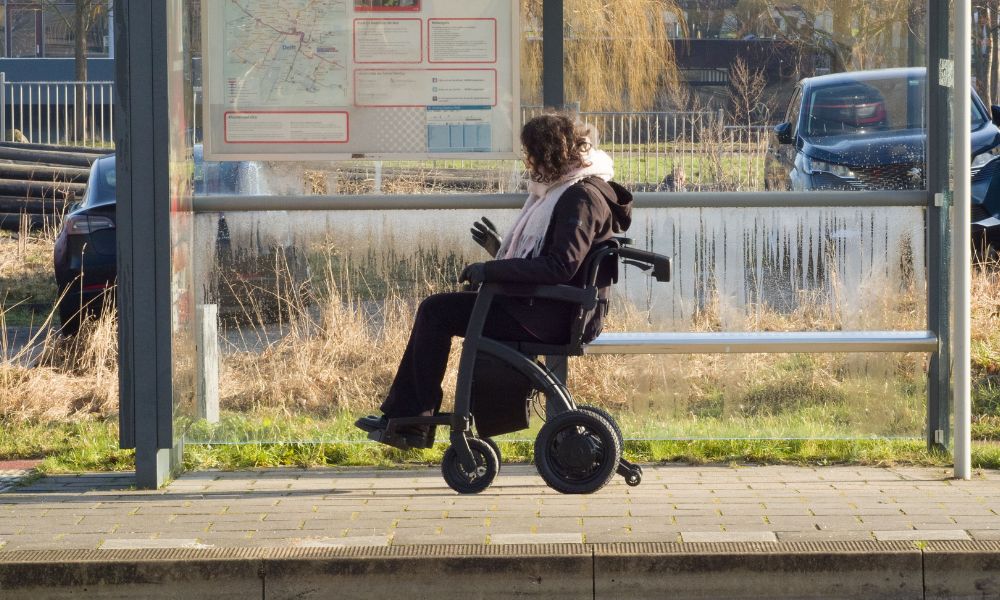
NDIS changes 2026 can feel like a lot. If they have you feeling worried, frustrated or just plain worn out, you're not alone. A lot of participants, families and carers are in the same boat right now.
Your plan isn't just a budget. It helps you get out of bed, see people, learn new things and live the way you want to. So when the rules around it change, of course it feels personal.
This guide walks you through the NDIS changes 2026 and what has already changed, what's coming next, how it might affect your mental health, and what you can do about it. Take it one section at a time. You don't have to work it all out today.
The NDIS Amendment (Securing the NDIS for Future Generations) Act 2026 received Royal Assent on 20 August 2026. The law has passed, but the changes start on different dates, and some of the detail is still being worked out. Here's where things are up to.
| When | What happens | What it means for you |
|---|---|---|
| 27 August 2026 (started) | Plan reassessment requests tighten | Only you, your nominee or your child's representative can ask for an unscheduled reassessment. You'll need to explain what's changed and include evidence. Plan variations are still available for urgent, minor or short-term changes. |
| 1 October 2026 (started) | Some support budgets reset | Social and community participation budgets drop by 50%, and improved daily living skills budgets by 10%. This is phased in as plans are renewed or reassessed over 12 months, and critical supports are excluded. |
| 1 December 2026 | 90-day claims window | Claims need to be made within 90 days of the support being delivered. |
| 1 February 2027 | Plan renewal changes | Unspent funds no longer roll over to your next plan, and "reasonable and necessary" gets tighter. |
| 1 April 2027 | New framework planning | A new way of planning starts rolling out gradually, finishing by 31 December 2030. |
| 1 January 2028 | New eligibility rules | New applicants are assessed on functional capacity. Existing participants are reassessed over three years. |
Two things worth knowing. First, the 50% cut applies to the budget allocation, not automatically to what you actually spend or how many activities you do. How it affects you depends on your plan and the supports you use.
Second, current access arrangements stay in place until 1 January 2028. Don't assume a future eligibility change already applies to you. Check your own situation with the NDIA or a qualified adviser.
Not everyone feels the same way about this, and that's okay. But if any of these sound familiar, you're in good company.
My advice? Slow the news down and take it one thing at a time. You don't need to solve every NDIS question in a single day.
If worry about the NDIS changes 2026 is affecting your sleep, mood, relationships or daily routine, talk to your GP, a treating professional or someone you trust. Families and carers need breaks and someone to talk to as well, so don't leave yourself off the list. If you're in immediate danger, call 000.
| Service | Phone | Good for |
|---|---|---|
| Lifeline | 13 11 14 | 24/7 crisis support |
| Beyond Blue | 1300 22 4636 | 24/7 phone counselling |
| 13YARN | 13 92 76 | 24/7 culturally safe support for Aboriginal and Torres Strait Islander people |
| Disability Gateway | 1800 643 787 | Information and referrals, Monday to Friday, 8am to 8pm |
If you're supporting someone who's struggling, stay with them if it's safe, listen without judging, and help them connect with the right support.
They might, depending on your plan, the supports you use and when your plan is renewed or reassessed. You keep using your current plan until then, so check your own plan notice and budget.
Not necessarily. The 50% applies to the budget allocation, not automatically to what you spend or how many activities you do. Your outcome depends on your plan and the supports available to you.
No. The new access rules begin on 1 January 2028, and until then current arrangements continue. The detailed assessment process is still being developed. Not sure where you stand today? Try our NDIS eligibility quiz.
Keep your current plan and reports together, write down your daily support needs and what happens when a support isn't available, and ask your provider or support coordinator to help you organise it all.
Yes. Uncertainty about supports, forms and future eligibility is stressful. Talking it through with someone you trust and checking official information can help.
You don't need to have it all figured out today. Take the NDIS changes 2026 one step at a time, ask questions, and keep your own voice at the centre of every decision about your supports.
If you'd like to talk through how your support arrangements might work day to day, get in touch with Dream Maker Community Services. For official decisions about eligibility, funding or plan reassessment, always confirm with the NDIA.
Marco is a member of the Dream Maker Community Services marketing team and former participant and Dream Maker Community Services. He shares clear, practical information to help people with disability, families and carers understand their options. This article is general information only and isn't medical, legal or financial advice.
Dream Maker Community Services is an NDIS-registered provider operating across New South Wales and Victoria. We specialise in Supported Independent Living, SDA accommodation, community participation, daily personal activities, life skill development, household support, and assisted transport.
If any of this sounds like what you or someone you love needs, get in touch with our team today. No pressure, no jargon, just a real conversation about how we can help.