
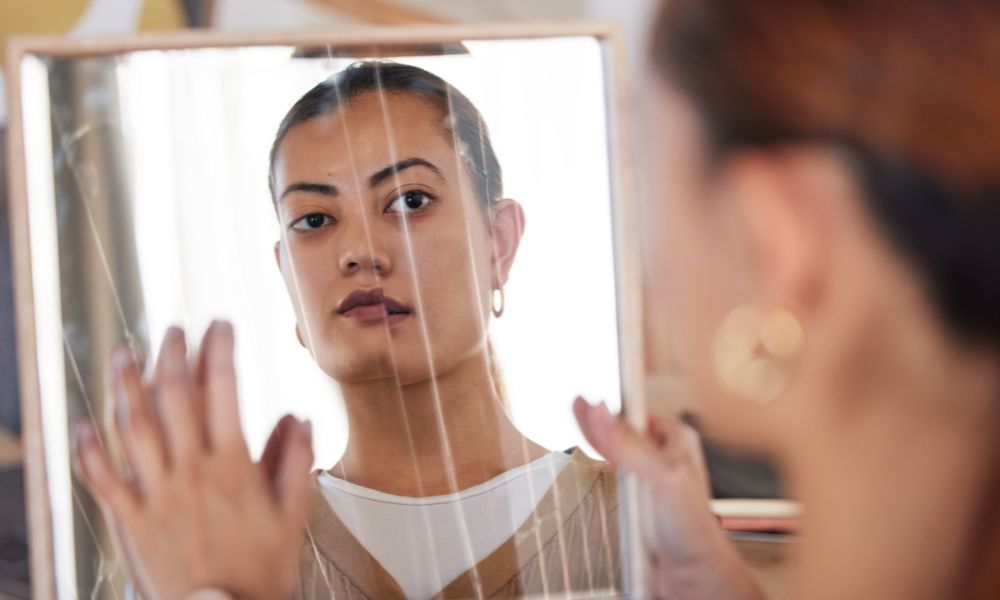
NDIS psychosocial disability is one of the most misunderstood categories in the whole scheme. If you or someone you care for has been diagnosed with a mental health condition and you're not sure whether the NDIS can help, this guide is for you.
Under the NDIS, psychosocial disability refers to a disability that arises from a mental health condition. The word "psychosocial" simply means the disability affects how a person functions socially and in daily life, not just their mental state.
Common conditions that can lead to an NDIS psychosocial disability classification include:
It's important to know that having a diagnosis does not automatically qualify someone for the NDIS. What matters is the functional impact of the condition, meaning how it affects daily activities, relationships, work, and independence. The NDIS looks at what you can't do, not just what your diagnosis says on paper.
Yes, it can. NDIS psychosocial disability is a recognised disability type under the NDIS Act. People with psychosocial disability can access NDIS funding if their condition is likely to be permanent or episodic long-term, and if it significantly impacts their ability to participate in daily life.
This is where a lot of families get confused. Mental health conditions can be episodic, meaning they flare up and settle down. The NDIS does account for this. You don't have to be at your worst to qualify, but you do need evidence showing the long-term nature of the condition and its impact.
Getting a good functional assessment from a psychiatrist, psychologist, or occupational therapist is usually the most important step in the access process. This evidence is what the NDIS uses to decide eligibility and what supports to fund.
Once someone with NDIS psychosocial disability has an approved plan, the range of supports available is broad. Here's a breakdown of what's commonly funded.
Core Supports is the main budget in most NDIS plans. For people with psychosocial disability, this typically covers:
Supported Independent Living is one of the most significant supports available for people with NDIS psychosocial disability who need a higher level of ongoing assistance. SIL provides funded support workers in a shared or individual living arrangement, helping with daily routines, personal care, medication management, and community participation.
For someone coming out of a hospital, a family home that can no longer provide the right level of support, or a mental health unit, SIL can be life-changing. It provides structure and consistency, which is often exactly what people with psychosocial disability need to stabilise and build independence over time.
Dream Maker Community Services provides SIL accommodation across Western Sydney, including properties in Rooty Hill, Leumeah, and Oran Park. Our team has experience supporting participants with psychosocial disability and understands the importance of consistency, routine, and building genuine trust with the people we support.
This part of the NDIS plan is about building skills and independence over time. For people with psychosocial disability, this might include:
Social isolation is one of the biggest risks for people with psychosocial disability. NDIS community participation funding supports people to get out, connect with others, and take part in activities that matter to them. This could be sport, creative programs, volunteering, or simply going to a local event with a support worker by their side.
Dream Maker offers community participation and daily living supports across Sydney and Melbourne, tailored to what each participant actually wants to do, not a one-size program.
Specialist Disability Accommodation (SDA) is purpose-built or significantly modified housing funded by the NDIS. It's worth knowing that SDA eligibility is much narrower than SIL. Most people with psychosocial disability will qualify for SIL, but SDA is typically reserved for participants with extreme functional impairment or very high physical support needs.
There is a category of SDA called "Robust" designed for people who may present risks to property or who need a very specific environment. Some participants with complex psychosocial disability do qualify for this, but it's not the norm. A good occupational therapist can assess whether SDA is appropriate and help build the case for the NDIS.
If you think you or a family member might qualify for the NDIS based on psychosocial disability, here are the steps:
The process takes time, but it's worth it. The right supports can make a real difference in someone's stability, independence, and quality of life.
At Dream Maker Community Services, we work with participants across a range of disability types, including NDIS psychosocial disability. We know that supporting someone with a mental health condition is different to other kinds of support work. It requires patience, consistency, and a team that shows up reliably, day after day.
If you're a participant, family member, or support coordinator looking for a provider who genuinely understands psychosocial disability in Western Sydney and Melbourne, we'd love to connect.
Looking for NDIS psychosocial disability support in Western Sydney? Dream Maker Community Services is a registered NDIS provider with experience supporting participants with mental health and psychosocial disability. Get in touch today or submit a referral.
Dream Maker Community Services is an NDIS-registered provider operating across New South Wales and Victoria. We specialise in Supported Independent Living, SDA accommodation, community participation, daily personal activities, life skill development, household support, and assisted transport.
If any of this sounds like what you or someone you love needs, get in touch with our team today. No pressure, no jargon, just a real conversation about how we can help.